
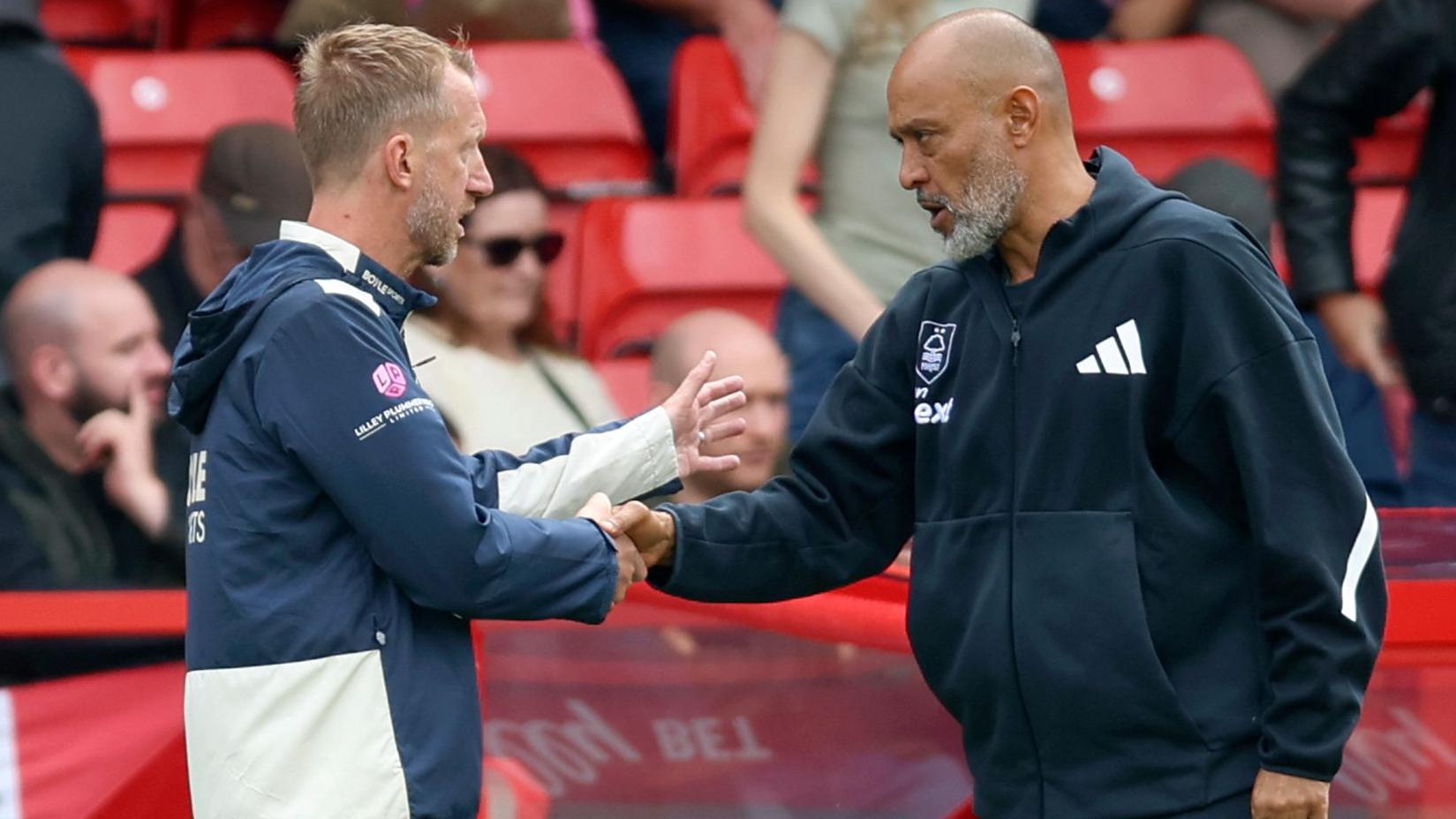
Somewhere between September and February, most seasons produce a run of dismissals. A side loses four in a row, the away end turns, a statement thanking the manager for his efforts appears on the club website, and an assistant takes training the next morning. It is so routine that it barely registers as news.
What is less obvious is why it happens when it happens. Boards rarely sack a manager because of one result, and almost never because of the league table alone. The decision is usually made weeks earlier and then waits for a trigger.
The real trigger is usually a deadline, not a defeat
Clubs do not act on form in isolation. They act on form relative to a date. The question in the boardroom is not “are we playing badly” but “if we change now, how many games does the replacement get to fix it”.
That framing explains the timing of most sackings. A side in trouble in October is a side with thirty games left, which is plenty of time for a new manager to turn things around. The same side in April has nothing left to play for either way, so the club waits and makes the change in the summer. The dangerous period for a struggling manager is therefore the middle of the season, when a change can still plausibly alter the outcome.
What boards actually look at
Results matter, but they are a lagging signal, and most clubs now have enough analysis to know it. The internal conversation tends to cover three things.
First, the gap between performance and results. A side losing games while creating more than it concedes is usually unlucky, and a board with patience will say so. A side losing while being out-created is in genuine trouble.
Second, the squad. If the manager has the players he asked for and the team is still underperforming, the argument for keeping him weakens. If half his first choices are injured or the recruitment did not deliver, the problem may not be on the touchline.
Third, the dressing room. Boards listen to senior players, and a manager who has lost the squad is almost impossible to rescue, regardless of what the numbers say. This is the factor supporters see least and clubs weigh most.
Is the new-manager bounce real?
Partly, and less than the phrase suggests. Results do tend to improve immediately after a change, but most of that improvement comes from a simple statistical effect: clubs sack managers at the worst moment of the season, and the worst moment is by definition followed by something better. A struggling side was likely to pick up anyway.
There is a genuine effect on top of that, and it is mostly about clarity. A new manager simplifies, picks a settled eleven, gives a handful of players a clean slate and removes whatever the previous regime had got tangled in. That lift is real but short. Studies of managerial change across European leagues generally find the advantage fades within a dozen games, at which point the underlying quality of the squad reasserts itself.
What a change actually costs
The compensation is the visible cost and usually the smallest one. Changing manager also means changing the coaching staff, which breaks continuity in training, medical and analysis work that took months to build. It often means abandoning a style the squad has been recruited for, which leaves a group of players who no longer fit.
Then there is the transfer market. A new manager wants different players, and the ones he inherits lose value if they do not suit him. Clubs that change frequently end up with expensively assembled squads full of players nobody currently wants, which is why the best-run sides treat a sacking as the last option rather than a reset button.
What better-run clubs do instead
The sides that change managers least often are rarely the most patient by temperament. They are the ones that have taken the big decisions away from the dugout. Recruitment, playing style, academy pathway and medical policy sit with the club, and the manager is hired to work inside them rather than to invent them.
That structure does two things. It makes a bad run easier to diagnose, because the board can see whether the problem is the coaching or the squad it handed over. And it makes a change cheaper when one is genuinely needed, because the next appointment inherits a working system rather than a blank page. Clubs that operate this way still sack managers — they simply do it less often, and the replacement tends to start from a better position than a club that has to rebuild its identity every eighteen months.
Why do some clubs keep faith when others do not?
Mostly because of what the downside looks like. For a club where relegation would cost a fortune in lost revenue, acting early is rational even if the evidence is thin — the cost of being wrong is far smaller than the cost of going down. For a mid-table club with no realistic risk at either end, patience costs little and preserves continuity.
Ownership matters too. Clubs with a clear football structure above the manager, where recruitment and style are set by the institution rather than by whoever is in the dugout, change managers more calmly and less often. Where the manager is the entire plan, a bad run looks like the plan failing, and the response is usually a sacking.
The pattern to watch
If you want to guess who is next, the useful signals are not the league position. They are whether the club has stopped briefing in support of the manager, whether a senior player has said something careful in a press conference, and whether there is a run of winnable fixtures coming up — because boards prefer to hand a new manager games he can win.
None of this makes the decision right. Clubs get it wrong in both directions constantly, sacking managers who were unlucky and keeping ones who had run out of ideas. But the process is more considered than the statements suggest, and it is almost always about time remaining rather than the result that happened to come last. For a related look at how squads cope with pressure at the other end of the table, see why the relegation battle starts in August.
Frequently asked questions
Do clubs who sack managers finish higher than those who do not?
On average, no. Studies comparing struggling clubs that changed manager with similar clubs that did not find little difference in final position once the early bounce is accounted for. The exceptions tend to be cases where the dressing room had genuinely broken down.
When is the most common time for a sacking?
October to December is the busiest window. By then there are enough games to judge a side, and enough of the season left for a replacement to change the outcome.
Why do caretaker managers often do well?
Because they simplify. A caretaker usually picks the obvious eleven, asks for something straightforward and benefits from a squad relieved that the uncertainty is over. Those gains rarely survive a long run in the job. If you are looking at older kit from these eras, our guide to the Manchester United retro shirt eras runs through what to check.
Leave a Reply